
Soldering copper pipe is an essential plumbing skill that allows you to create strong, leak-proof joints in water supply lines. This process involves heating copper fittings and pipes while applying solder to create a permanent seal. Whether you’re installing new plumbing or repairing existing copper pipes, mastering this technique will save you money and give you confidence in your DIY plumbing projects.
To solder copper pipe, you need to clean the pipe and fitting surfaces, apply flux, heat the joint with a propane torch until the flux bubbles, then touch lead-free solder to the joint opposite the flame. The solder will melt and flow around the entire joint by capillary action, creating a permanent, leak-proof seal when cooled.
Essential Tools and Materials for Copper Pipe Soldering
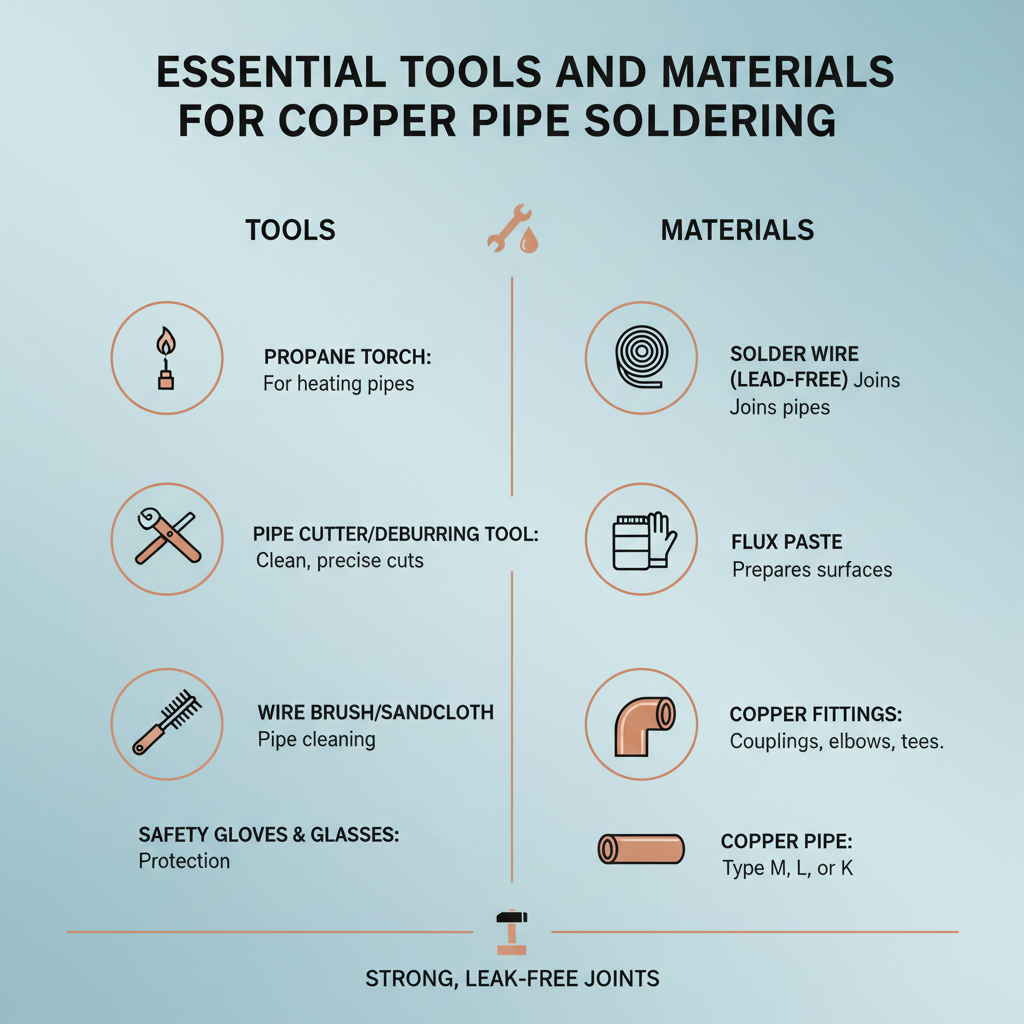
Before starting any soldering project, gathering the right tools and materials is crucial for success. You’ll need specific equipment designed for working with copper plumbing systems.
Required Tools
* Pipe cutter or hacksaw
* Emery cloth or sandpaper
* Wire brush
* Propane torch with Bernzomatic TS4000 Trigger Start Torch
* Flux brush
* Safety glasses and gloves
* Drop cloth or heat shield
Necessary Materials
* Lead-free solder (95/5 tin-antimony or silver-bearing solder)
* Plumbing flux (paste or liquid)
* Copper pipes and fittings
* Clean rags or paper towels
The quality of your tools directly impacts the final result. A reliable torch like the Bernzomatic TS4000 Trigger Start Torch provides consistent heat control, which is essential for proper solder flow and joint integrity.
Preparing Copper Pipes and Fittings
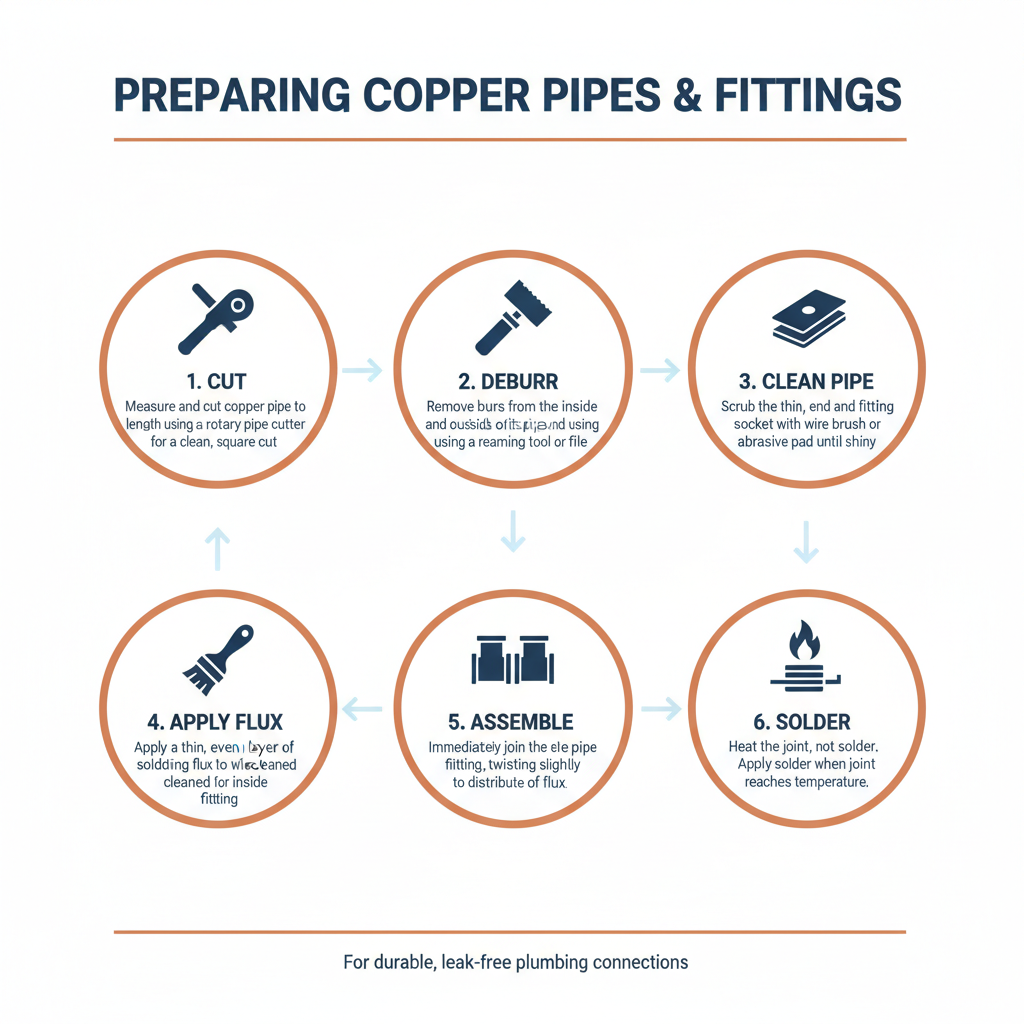
Proper preparation is the foundation of successful copper pipe soldering. Clean, properly fitted joints ensure strong connections that will last for decades.
Cutting Pipes to Size
Start by measuring and marking your copper pipe accurately. Use a pipe cutter for the cleanest cuts, rotating the tool around the pipe while gradually tightening the cutting wheel. If using a hacksaw, ensure cuts are straight and perpendicular to the pipe.
After cutting, remove any burrs from inside and outside the pipe using a reaming tool or file. Burrs can restrict water flow and create weak points in your joints.
Cleaning the Joint Surfaces
Clean both the outside of the pipe and inside of the fitting using emery cloth or fine sandpaper. Remove approximately one inch of oxidation and discoloration from the pipe end. The copper should appear bright and shiny when properly cleaned.
For fittings, use a wire brush or emery cloth to clean the interior surfaces where the pipe will insert. This cleaning process, known as “brightening,” ensures proper solder adhesion and creates stronger joints.
Test Fitting Components
Before applying flux, test fit all pipes and fittings. Pipes should slide into fittings easily but shouldn’t be loose. The pipe should insert fully into the fitting socket, typically about 5/8 inch for standard fittings.
Mark the insertion depth with a pencil to ensure proper assembly during the actual soldering process.
Applying Flux and Assembling Joints
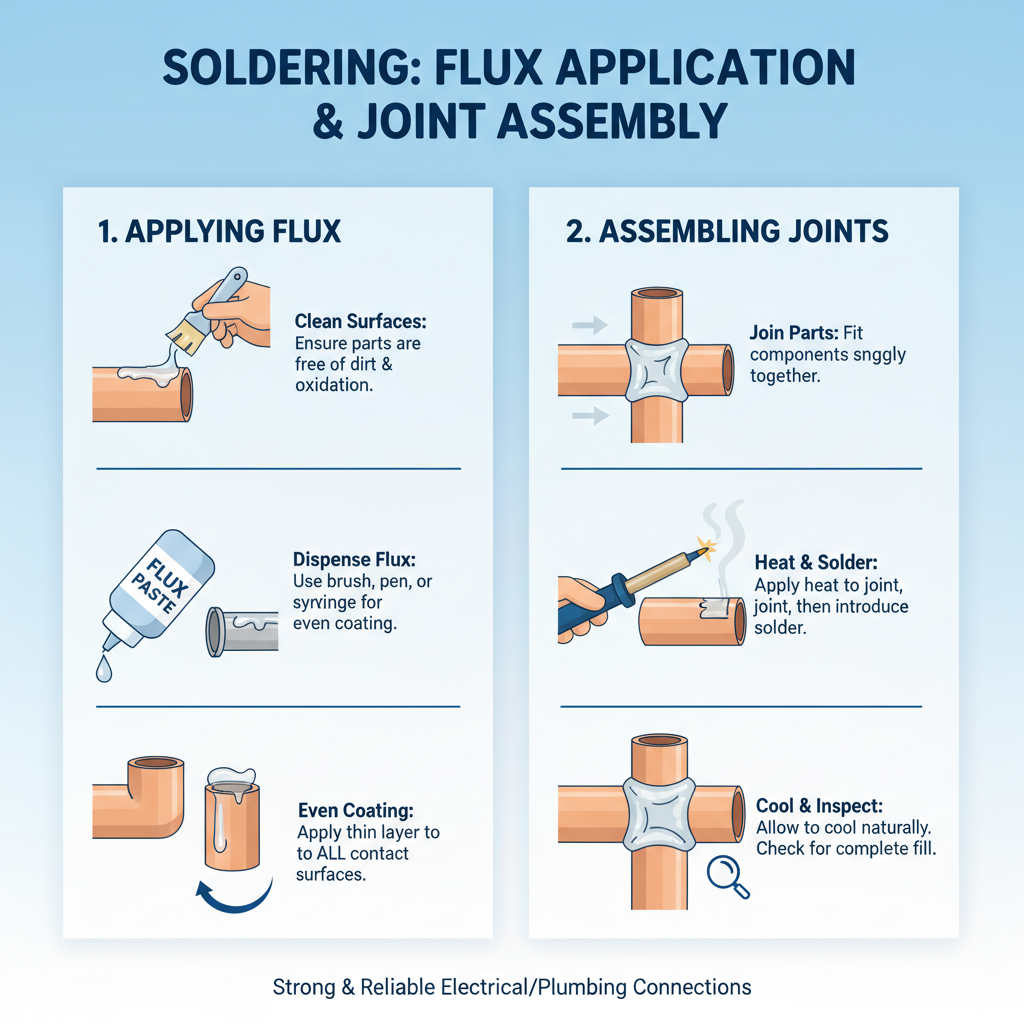
Flux is a chemical cleaning agent that prevents oxidation during heating and helps solder flow evenly around the joint. Proper flux application is critical for creating leak-free connections.
Flux Application Technique
Apply a thin, even coat of flux to both the cleaned pipe end and fitting interior using a flux brush. Cover all surfaces that will be heated during soldering. Too much flux can cause problems, while too little may result in poor solder flow.
Work quickly after applying flux, as it begins working immediately to prevent oxidation. Assemble joints within a few minutes of flux application for best results.
Joint Assembly
Insert the pipe fully into the fitting, twisting slightly to distribute flux evenly. Ensure the pipe reaches the bottom of the fitting socket. Wipe away excess flux from the exterior surfaces to prevent corrosion.
For multiple joint assemblies, work systematically and avoid disturbing completed joints while soldering adjacent connections.
The Soldering Process: Heat and Solder Application
The actual soldering process requires careful heat control and proper solder application technique. This step determines the strength and longevity of your copper pipe joints.
Heating the Joint
Light your propane torch and adjust the flame to a blue cone about 1-2 inches long. Begin heating the fitting first, as it has more mass than the pipe and takes longer to reach proper temperature.
Move the flame around the joint in a circular motion, heating both the fitting and pipe evenly. Focus about 60% of the heat on the fitting and 40% on the pipe. The joint is ready for solder when the flux begins to bubble and sizzle.
Applying Solder
Touch the solder to the joint opposite the flame. When the copper reaches proper temperature (around 400-500°F), the solder will melt instantly and flow into the joint by capillary action.
Apply solder around the entire circumference of the joint. You’ll need approximately 3/4 to 1 inch of solder wire for a typical 1/2-inch joint. The solder should flow smoothly and create a small fillet around the joint.
Recognizing Proper Solder Flow
Good solder joints show these characteristics:
* Solder flows completely around the joint
* A small, even fillet appears at the joint edge
* No gaps or voids are visible
* The joint has a smooth, shiny appearance when cooled
Remove heat immediately once solder flows completely around the joint. Overheating can damage the joint and create weak spots.
Cooling and Testing Your Soldered Joints
Proper cooling and testing ensure your soldered joints will perform reliably under normal plumbing system pressures.
Cooling Process
Allow joints to cool naturally without disturbing them. Don’t move or stress the pipes for at least 30 seconds after soldering. Rapid cooling with water can create stress fractures in the solder joint.
Clean excess flux from around the joint using a damp rag once the copper has cooled to touch temperature. Flux residue can cause corrosion over time if left on the pipe surface.
Pressure Testing
Before putting your plumbing system into service, pressure test all new joints. Close all valves and fill the system with water. Check each joint carefully for leaks, looking for water droplets or moisture around the solder connections.
For new installations, consider using Oatey No. 5 Paste Flux during your next project, as it provides excellent cleaning action and helps achieve consistent results across multiple joints.
Test at full system pressure for at least 15 minutes. Small leaks may not appear immediately, so thorough testing prevents future problems.
Common Soldering Mistakes and Troubleshooting
Understanding common problems helps you avoid mistakes and troubleshoot issues when they occur.
Insufficient Heat
Underheated joints result in poor solder flow and weak connections. Signs include:
* Solder balls up instead of flowing
* Incomplete joint coverage
* Dull, grainy solder appearance
Solution: Apply more heat and ensure both pipe and fitting reach proper temperature before applying solder.
Overheating Problems
Excessive heat can damage joints and create leaks:
* Flux burns away before solder application
* Solder runs out of the joint
* Fitting interior becomes damaged
Solution: Use moderate heat and remove flame immediately after solder flows completely.
Contaminated Surfaces
Dirty or oxidized surfaces prevent proper solder adhesion:
* Solder won’t stick to copper
* Uneven solder flow patterns
* Weak joint strength
Solution: Clean all surfaces thoroughly and apply fresh flux before soldering.
Movement During Cooling
Disturbing joints before they cool completely can create cracks:
* Hairline fractures in solder
* Immediate or delayed leaks
* Weak joint integrity
Solution: Support pipes properly and avoid movement for at least 30 seconds after soldering.
Safety Considerations and Best Practices
Working with open flames and hot metals requires attention to safety throughout the soldering process.
Fire Safety
* Keep a fire extinguisher nearby
* Use heat shields to protect combustible materials
* Check for smoldering materials after completing work
* Ensure adequate ventilation when working indoors
Personal Protection
* Wear safety glasses to protect from flux spatter
* Use heat-resistant gloves when handling hot pipes
* Ensure good ventilation to avoid flux fumes
* Keep first aid supplies accessible
Lead-Free Solder Requirements
Modern plumbing codes require lead-free solder for potable water systems. Use