
Pipeline construction represents one of the most demanding sectors in the welding industry, requiring skilled professionals to work in challenging environments across vast distances. While certified welders receive most of the attention, welder helpers play an equally crucial role in ensuring projects stay on schedule and meet strict quality standards.
A welder helper on pipeline projects assists certified welders by preparing materials, setting up equipment, maintaining tools, and ensuring work areas meet safety standards. They handle tasks like grinding, cleaning welds, moving pipes, and organizing supplies while learning welding techniques through hands-on experience.
This article explains the specific duties, requirements, and career prospects for welder helpers working on pipeline projects. You’ll learn about daily responsibilities, required skills, safety protocols, and how this entry-level position can launch a successful welding career.
Core Responsibilities of Pipeline Welder Helpers
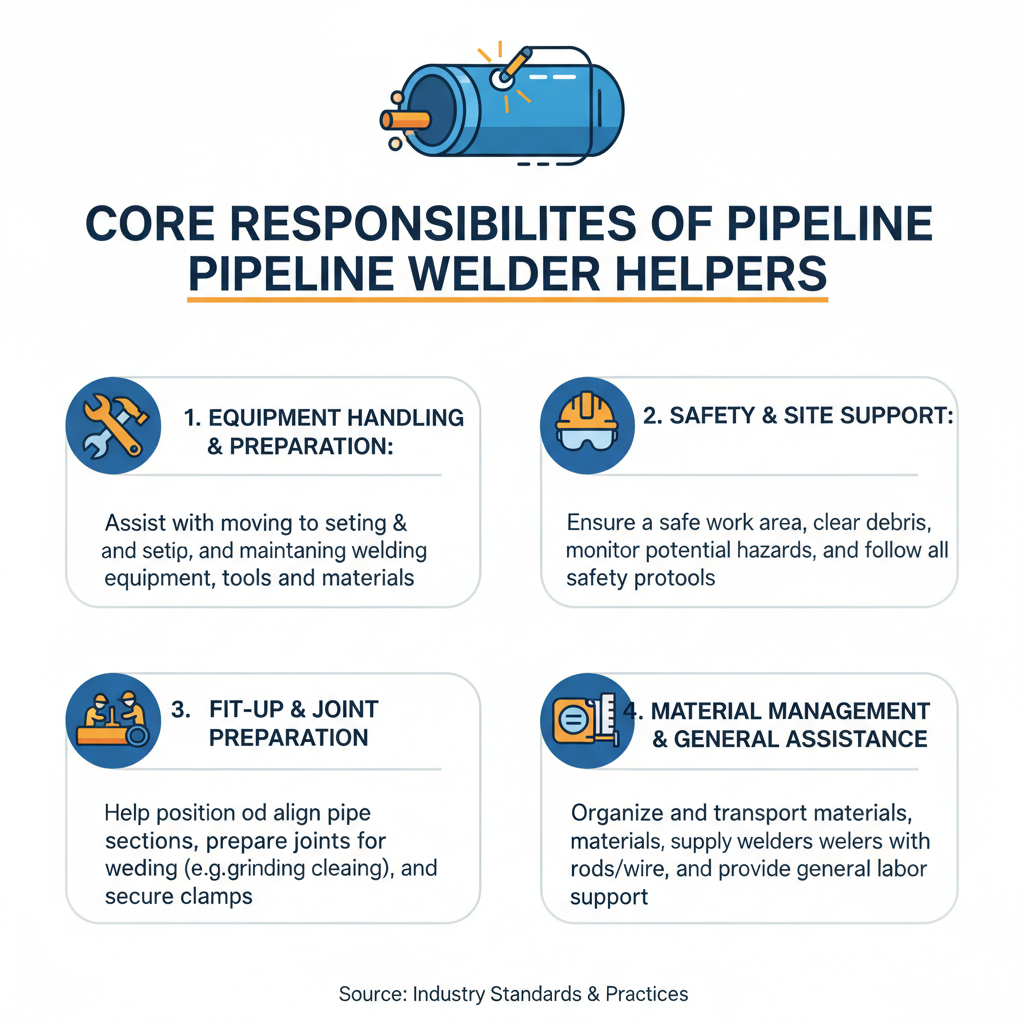
Pipeline welder helpers perform essential support tasks that keep welding operations running smoothly. Their primary responsibility involves preparing materials before welding begins.
This preparation includes cleaning pipe surfaces, removing rust or debris, and ensuring proper fit-up between pipe sections. Helpers use grinders, wire brushes, and cleaning solvents to create optimal welding conditions.
Equipment setup represents another critical duty. Helpers position welding machines, connect gas lines, and arrange consumables like electrodes and filler wire. They also maintain proper cable management to prevent tripping hazards in work areas.
Material handling consumes significant time during pipeline projects. Helpers move heavy pipe sections using cranes, forklifts, or manual methods. They position pipes for welding, support them during the process, and help rotate sections as welders complete different passes.
Quality control tasks include visual inspection of completed welds, measuring dimensions, and documenting work progress. Helpers often assist with non-destructive testing procedures by preparing test areas and organizing inspection equipment.
Daily Work Environment and Conditions
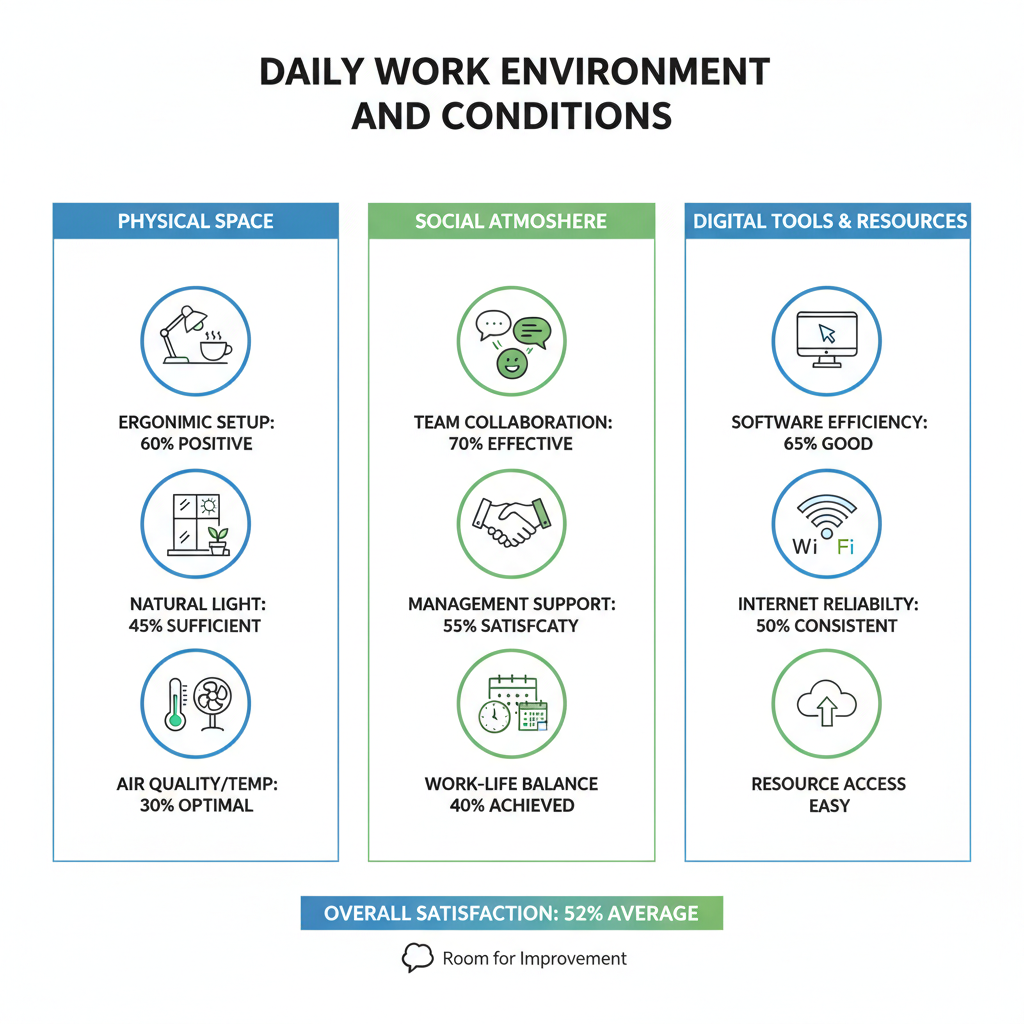
Pipeline welder helpers work in diverse outdoor environments, from desert regions to arctic conditions. Projects often occur in remote locations requiring temporary housing in work camps or hotels.
Work schedules typically follow extended rotations, such as 10 days on and 4 days off, or 14 days on and 7 days off. Daily shifts commonly last 10-12 hours, with overtime opportunities during peak construction periods.
Weather conditions significantly impact daily operations. Helpers must adapt to extreme temperatures, wind, rain, and snow while maintaining productivity and safety standards. Proper clothing and protective equipment become essential for comfort and protection.
The work environment involves constant exposure to welding fumes, grinding dust, and machinery noise. Helpers wear respirators, hearing protection, and safety glasses throughout their shifts to prevent health issues.
Physical demands include lifting heavy materials, working in confined spaces, and maintaining awkward positions for extended periods. Pipeline work requires good physical fitness and stamina to handle these challenges effectively.
Essential Skills and Training Requirements
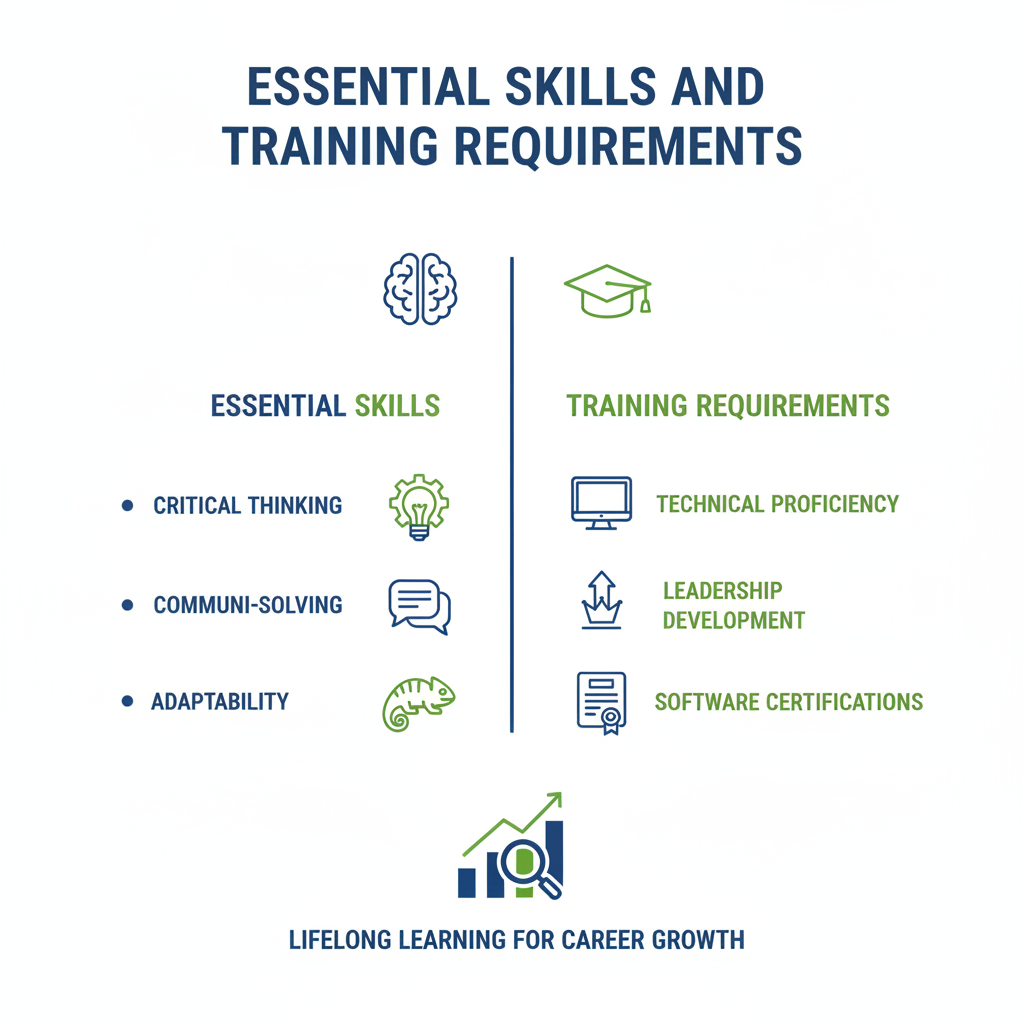
Most pipeline companies hire welder helpers with minimal experience, providing on-the-job training for specific procedures. However, certain foundational skills improve employment prospects significantly.
Basic mechanical aptitude helps helpers understand equipment operation and maintenance requirements. Familiarity with hand tools, power tools, and measuring instruments proves valuable during daily tasks.
Physical fitness requirements include the ability to lift 50+ pounds regularly and work in challenging positions. Helpers must demonstrate stamina for long shifts in demanding conditions.
Safety awareness represents the most critical skill for pipeline helpers. Understanding hazard recognition, proper lifting techniques, and emergency procedures prevents accidents and injuries.
Communication skills enable effective coordination with welders, supervisors, and other crew members. Clear communication prevents mistakes and maintains project efficiency.
Many helpers pursue welding education through community colleges or trade schools while working. This combination of formal training and practical experience accelerates career advancement opportunities.
Safety Protocols and Protective Equipment
Pipeline welding operations involve numerous safety hazards requiring strict adherence to established protocols. Welder helpers must understand and follow these procedures consistently.
Personal protective equipment (PPE) includes hard hats, safety glasses, steel-toed boots, and flame-resistant clothing. Helpers also wear welding helmets when assisting with welding operations or working near active welding.
Respiratory protection becomes essential when working with grinding dust, welding fumes, or in confined spaces. Helpers receive training on proper respirator selection, fit testing, and maintenance procedures.
Fall protection equipment is required when working on elevated pipeline sections or structures. Helpers learn proper harness use, anchor point selection, and rescue procedures.
Hot work permits are necessary before beginning any welding or cutting operations. Helpers assist with fire watch duties, maintaining extinguishing equipment, and monitoring for potential ignition sources.
Gas testing procedures ensure safe working conditions around pipeline systems. Helpers learn to use atmospheric monitoring equipment and understand evacuation procedures for hazardous conditions.
Career Advancement Pathways
The welder helper position serves as an excellent entry point into the pipeline welding industry. Most helpers advance to certified welder positions within 1-3 years through dedicated learning and skill development.
Welding certification represents the primary advancement goal for most helpers. They can pursue certification in processes like SMAW (stick welding), GMAW (MIG welding), or specialized pipeline welding procedures.

Field experience gained as a helper provides valuable knowledge about pipeline construction methods, quality requirements, and industry standards. This background proves advantageous when transitioning to welder roles.
Some helpers advance into supervisory positions, becoming welding foremen or quality control inspectors. These roles require additional training in leadership, documentation, and technical standards.
Specialized career paths include non-destructive testing, welding inspection, or equipment operation. Each path offers different salary ranges and working conditions within the pipeline industry.
Continuing education through welding schools, manufacturer training programs, or industry certifications enhances advancement opportunities and earning potential significantly.
Equipment and Tools Used Daily
Pipeline welder helpers work with various specialized tools and equipment designed for pipeline construction environments. Understanding proper use and maintenance of these tools is essential for job performance.
Grinding equipment includes angle grinders, die grinders, and pneumatic tools for surface preparation and weld finishing. Helpers learn proper grinding techniques, wheel selection, and safety procedures for each tool type.
Measuring instruments such as hi-lo gauges, gap gauges, and rulers ensure proper fit-up between pipe sections. Accurate measurements prevent welding defects and maintain project quality standards.
Material handling equipment includes chain falls, come-alongs, and pipe rollers for positioning heavy pipe sections. Helpers receive training on load calculations, rigging procedures, and equipment inspection requirements.
Welding machines range from diesel-powered units for remote locations to advanced inverter systems with precise control capabilities. Helpers learn basic operation, maintenance, and troubleshooting procedures for different machine types.
Hand tools include hammers, chisels, wire brushes, and specialty pipeline tools. Proper tool selection and maintenance ensure efficient work completion and prevent equipment damage.
Common Challenges and Problem-Solving
Pipeline welder helpers encounter various challenges requiring quick thinking and practical solutions. Weather conditions often create the most significant obstacles to productivity.
Wind affects welding quality by disturbing shielding gas coverage and cooling welds too rapidly. Helpers assist with windscreen installation and positioning to create protected work areas.
Rain and moisture create safety hazards and prevent welding operations entirely. Helpers help construct temporary shelters and ensure equipment remains dry during weather delays.
Equipment breakdowns can halt entire crews until repairs are completed. Helpers with mechanical aptitude often assist with troubleshooting and basic maintenance procedures to minimize downtime.
Material defects such as damaged pipe coatings or dimensional variations require immediate attention. Helpers learn to identify these issues and communicate problems to supervisors before welding begins.
Access limitations in congested areas or difficult terrain require creative solutions for equipment positioning and material handling. Helpers develop problem-solving skills through exposure to various challenging situations.
Frequently Asked Questions
How much do pipeline welder helpers typically earn?
Pipeline welder helpers earn $35,000-$55,000 annually, with overtime opportunities often increasing total compensation to $60,000-$70,000. Pay varies by location, company, and project duration.
What physical requirements exist for pipeline welder helpers?
Helpers must lift 50+ pounds regularly, work in confined spaces, and maintain physical stamina for 10-12 hour shifts. Good vision, hearing, and manual dexterity are also essential for safe job performance.
Do welder helpers need prior welding experience?
Most pipeline companies hire helpers without welding experience, providing comprehensive on-the-job training. However, basic mechanical skills and safety awareness improve employment prospects significantly.
How long does it take to advance from helper to certified welder?
Dedicated helpers typically advance to certified welder positions within 1-3 years. Advancement speed depends on learning ability, work ethic, and available training opportunities.
What certifications are beneficial for pipeline welder helpers?
OSHA 10-hour safety training, first aid/CPR certification, and basic welding education improve employment prospects. Some companies also value forklift operation or crane operator certifications.
Are pipeline welding jobs available year-round?
Pipeline construction follows seasonal patterns, with peak activity during warmer months. However, maintenance projects and southern climate work provide opportunities throughout the year.
What travel requirements exist for pipeline welder helpers?
Most pipeline projects require extensive travel to remote locations. Helpers should expect to work away from home for weeks or months, with company-provided housing and travel expenses.
Building a Successful Pipeline Career
Pipeline welder helper positions offer excellent opportunities for individuals seeking stable, well-paying careers in the construction industry. The combination of hands-on training, advancement potential, and competitive compensation makes this an attractive entry-level option. Success requires dedication to safety, willingness to learn, and adaptability to challenging working conditions. With proper preparation and commitment, helpers can build rewarding long-term careers in the pipeline welding industry.