
Understanding welding process flow charts is essential for maintaining quality control, ensuring safety compliance, and optimizing production efficiency in any welding operation. Whether you’re managing a small fabrication shop or overseeing large-scale manufacturing, a well-designed flow chart serves as your roadmap for consistent, high-quality results. This guide will walk you through creating, implementing, and optimizing welding process flow charts that actually work in real-world applications.
A welding process flow chart is a visual diagram that maps out each step in the welding workflow, from initial material preparation through final inspection and delivery. It typically includes material receipt, preparation, welding setup, actual welding operations, quality control checkpoints, and finishing processes. The chart ensures consistent procedures, identifies potential bottlenecks, and maintains quality standards across all welding operations.
Essential Components of Welding Process Flow Charts
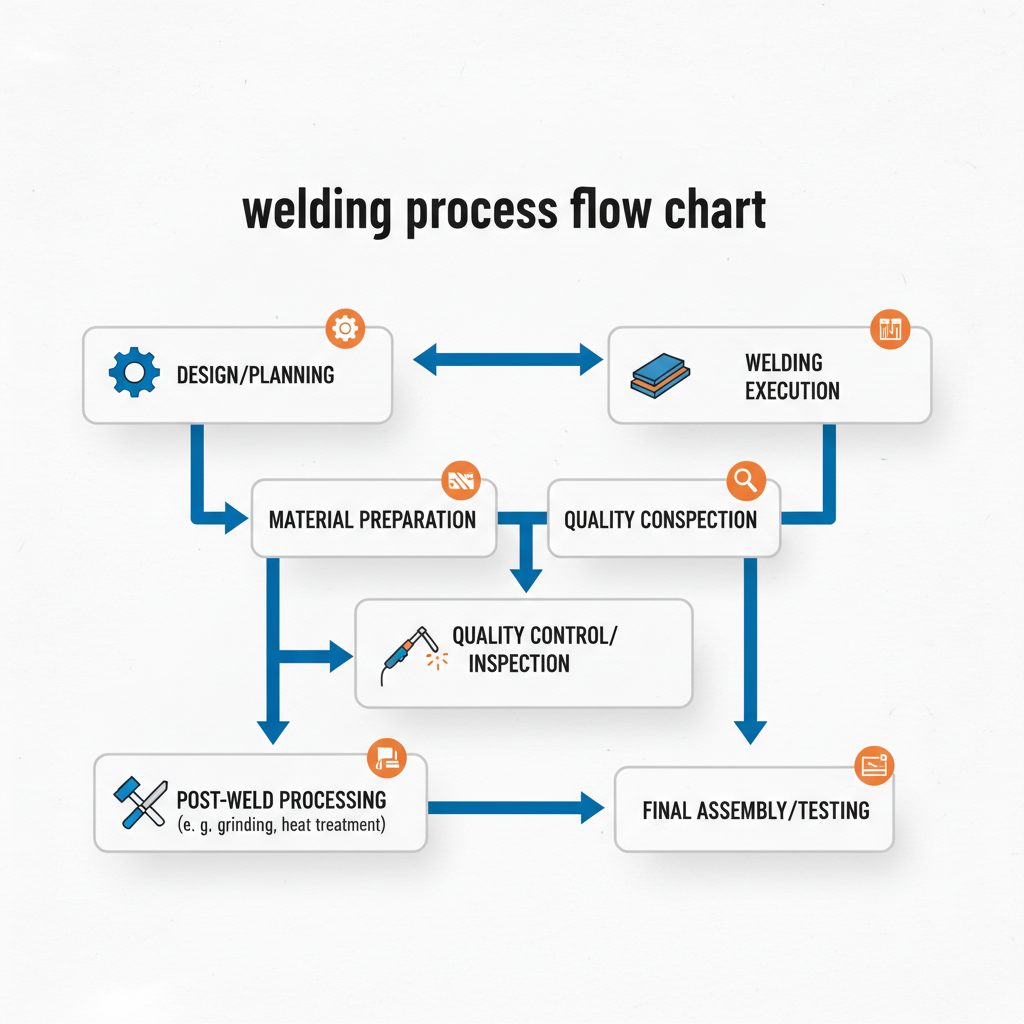
Every effective welding process flow chart contains specific elements that ensure comprehensive workflow coverage. The foundation starts with clearly defined entry and exit points that establish where the process begins and ends.
Material identification and tracking form the backbone of the flow chart. This includes incoming material inspection, certification verification, and proper storage protocols. Field experience shows that materials improperly handled at this stage cause 60% of downstream quality issues.
Process decision points appear throughout the chart as diamond-shaped symbols. These represent quality gates where work either continues forward or returns to previous steps for correction. Common decision points include weld quality acceptance, dimensional verification, and final inspection approval.
Documentation requirements integrate into each major step. This includes welding procedure specifications (WPS), welder qualification records, and inspection reports. Proper documentation ensures traceability and regulatory compliance.
Pre-Welding Preparation Workflow
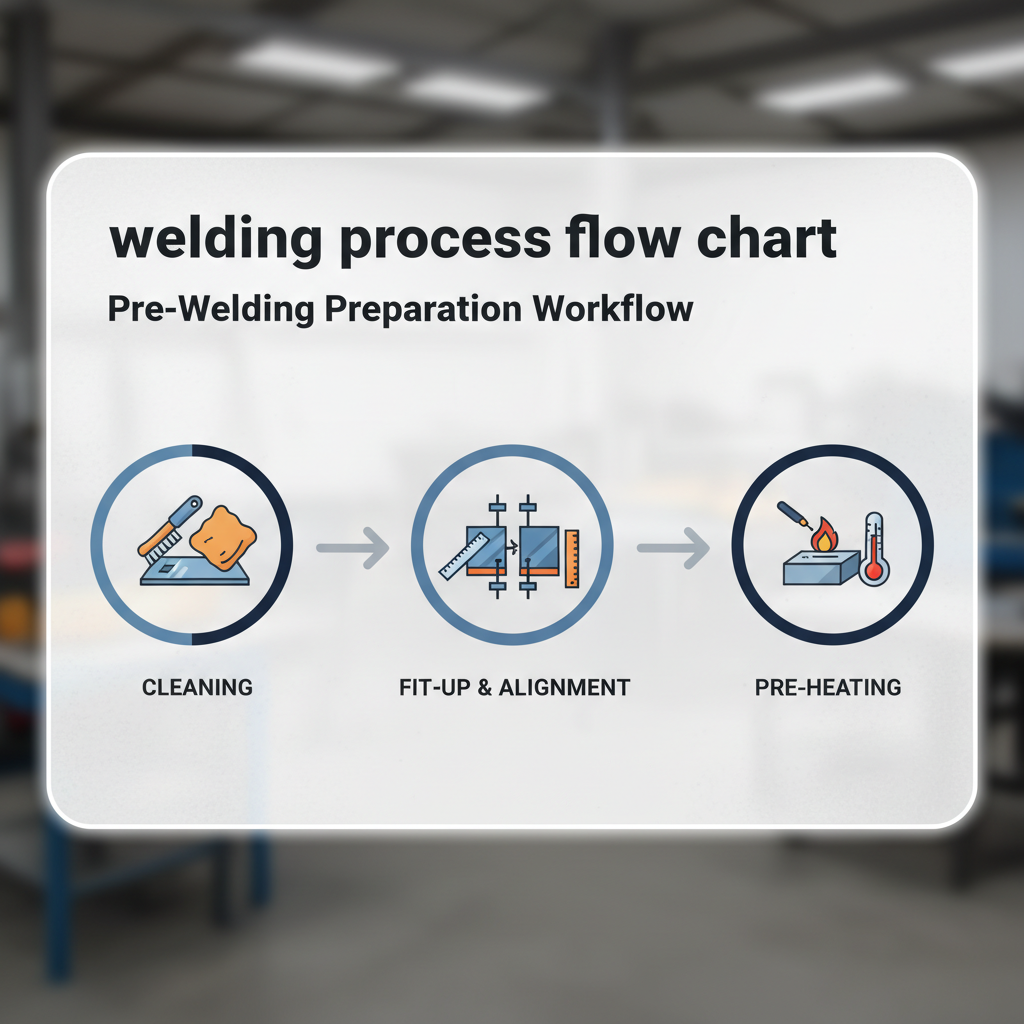
The preparation phase establishes the foundation for successful welding operations. Material preparation begins with surface cleaning, which removes contaminants that could compromise weld quality.
Joint preparation follows specific geometric requirements outlined in the welding procedure. This includes beveling angles, root openings, and backing strip installation when required. A common issue technicians encounter is inadequate joint preparation, which leads to incomplete penetration defects.
Fit-up verification ensures proper alignment and gap consistency. Tack welding holds components in position while allowing for thermal expansion during welding. The flow chart should specify tack weld locations, size requirements, and removal procedures when necessary.
Equipment setup verification includes power source calibration, wire feed speed settings, and shielding gas flow rates. Each parameter requires documentation to maintain process consistency across different operators and shifts.
Welding Operation Sequence
The actual welding sequence represents the core production activity in the flow chart. Process parameters must align with qualified welding procedures to ensure consistent results.
Welding progression typically follows a predetermined sequence to minimize distortion and residual stress. Multi-pass welding requires specific interpass temperature controls and cleaning procedures between passes. The flow chart should clearly indicate hold points for temperature measurement and surface preparation.
Real-time monitoring during welding includes visual inspection of the weld pool, arc characteristics, and travel speed consistency. Experienced welders recognize when parameters drift outside acceptable ranges and make immediate corrections.
Pass completion verification occurs after each weld pass in critical applications. This includes visual inspection for surface defects, dimensional checks, and interpass cleaning procedures. Documentation at this stage prevents costly rework later in the process.
Quality Control Integration Points
Quality control checkpoints integrate throughout the welding process rather than occurring only at the end. In practice, this approach catches defects early when correction costs remain minimal.
Non-destructive testing (NDT) requirements appear at specific points in the flow chart. Common methods include visual inspection, liquid penetrant testing, magnetic particle inspection, and radiographic testing. Each method has specific timing requirements relative to welding completion and heat treatment.
Dimensional verification ensures the finished product meets drawing specifications. This includes weld size measurements, overall dimensions, and geometric tolerances. Automated measurement systems improve consistency and reduce inspection time.
Surface finish requirements may include grinding, machining, or coating application. The flow chart should specify surface preparation standards and acceptance criteria for each finishing operation.
Documentation and Traceability Systems
Comprehensive documentation systems track materials, processes, and personnel throughout the welding workflow. Material traceability links finished products back to original mill certifications and heat numbers.
Welding records document actual parameters used during production. This includes amperage, voltage, travel speed, and any deviations from standard procedures. Electronic data logging systems capture this information automatically in modern welding operations.
Inspection records provide evidence of quality control compliance. Each inspection point requires specific documentation that demonstrates conformance to applicable codes and standards. Digital systems streamline this process while improving record accuracy.
Personnel qualification tracking ensures only certified welders perform critical work. The flow chart should include verification steps that confirm welder qualifications match job requirements before work begins.
Common Bottlenecks and Solutions
Material availability often creates the first bottleneck in welding operations. Just-in-time inventory systems reduce storage costs but increase the risk of production delays. Buffer stock for critical materials provides protection against supply chain disruptions.
Equipment downtime represents another significant bottleneck. Preventive maintenance scheduling reduces unexpected failures, while backup equipment ensures continued production during planned maintenance activities.
Quality control delays occur when inspection resources become overwhelmed. Parallel inspection processes and automated testing equipment help maintain production flow while ensuring quality standards.
Skilled labor shortages create capacity constraints in many welding operations. Cross-training programs and standardized procedures help maximize available workforce flexibility.
Digital Integration and Modern Improvements
Modern welding process flow charts incorporate digital technologies that improve efficiency and accuracy. Barcode scanning systems track materials and work orders throughout the production process.
Automated welding systems require modified flow charts that account for robot programming, sensor feedback, and automated quality control systems. These systems often operate faster than manual processes but require more sophisticated setup and monitoring procedures.
Cloud-based documentation systems provide real-time access to welding procedures, inspection records, and quality data. This improves communication between shifts and enables rapid response to quality issues.
Data analytics tools identify trends and patterns in welding performance. This information helps optimize process parameters and predict maintenance requirements before equipment failures occur.
Implementation Best Practices
Successful flow chart implementation requires buy-in from all stakeholders, including welders, supervisors, and quality control personnel. Training programs ensure everyone understands their role in the overall process.
Pilot testing validates flow chart effectiveness before full-scale implementation. This identifies potential issues and allows refinement of procedures based on actual production experience.
Continuous improvement processes incorporate feedback from operators and quality data analysis. Regular flow chart reviews ensure procedures remain current with changing requirements and technology improvements.
Change control procedures manage updates to welding process flow charts. This ensures all affected personnel receive proper notification and training when procedures change.
FAQ
What software tools work best for creating welding process flow charts?
Microsoft Visio, Lucidchart, and specialized manufacturing software like Arena or Plant Simulation offer robust flow chart capabilities. Many companies also use simple PowerPoint or even hand-drawn charts for basic applications.
How often should welding process flow charts be updated?
Review flow charts annually or whenever significant process changes occur. Major equipment upgrades, new welding procedures, or regulatory changes all trigger flow chart updates.
What’s the difference between a welding process flow chart and a welding procedure specification?
A flow chart shows the overall workflow and decision points, while a WPS provides detailed technical parameters for specific welding operations. The flow chart references multiple WPS documents throughout the process.
How do you handle exceptions and non-conformances in the flow chart?
Include specific paths for handling defects, rework, and material rejections. These exception paths should lead back to appropriate correction steps or removal from the production stream.
Can welding process flow charts help with ISO certification?
Yes, well-documented flow charts demonstrate process control and continuous improvement efforts required by ISO 9001 and other quality management standards.
What level of detail should be included in a welding process flow chart?
Include enough detail to ensure consistent execution by different operators, but avoid overwhelming complexity. Focus on critical decision points, quality gates, and safety requirements.
How do you measure the effectiveness of a welding process flow chart?
Track metrics like first-pass yield rates, rework costs, inspection delays, and overall cycle time. Improved performance in these areas indicates effective flow chart implementation.
Final Thoughts
Effective welding process flow charts serve as the backbone of consistent, high-quality welding operations. They provide clear guidance for operators, establish quality control checkpoints, and ensure regulatory compliance. The key to success lies in creating charts that reflect actual production conditions while remaining flexible enough to accommodate process improvements. Regular review and updates keep these valuable tools current with changing technology and requirements, ultimately supporting both quality objectives and operational efficiency.