
Setting up a Miller suitcase welder properly ensures safe operation and quality welding results. These portable wire feed welders are popular for their versatility and ease of transport, but correct hookup procedures are essential for optimal performance. This guide walks you through the complete process, from initial connections to final testing.
Quick Setup Overview
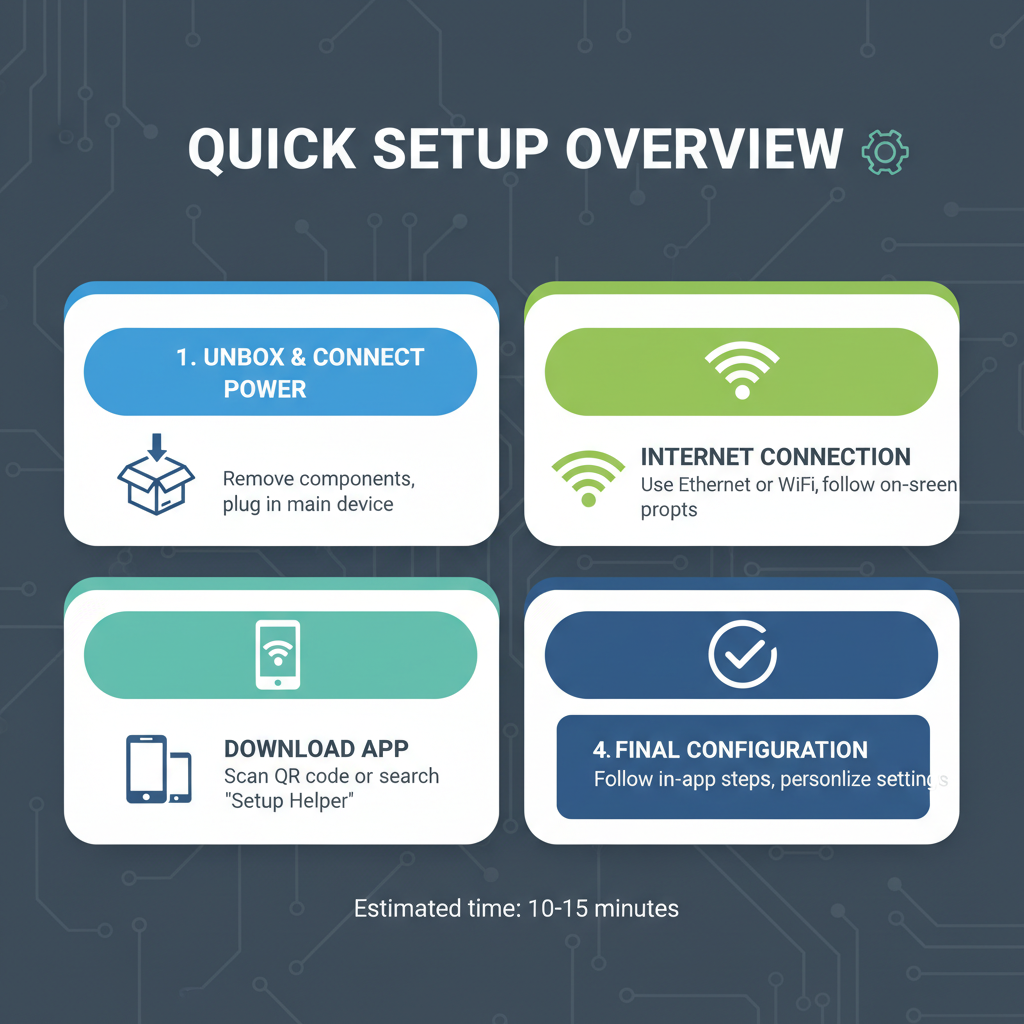
To hook up a Miller suitcase welder, connect the power cable to appropriate voltage supply, attach the work clamp to your workpiece, connect the gun cable to the feeder, install welding wire, set proper parameters, and connect shielding gas if using MIG mode. Always verify all connections are secure before powering on the unit.
Essential Components and Connections to Hook Up a Miller Suitcase Welder
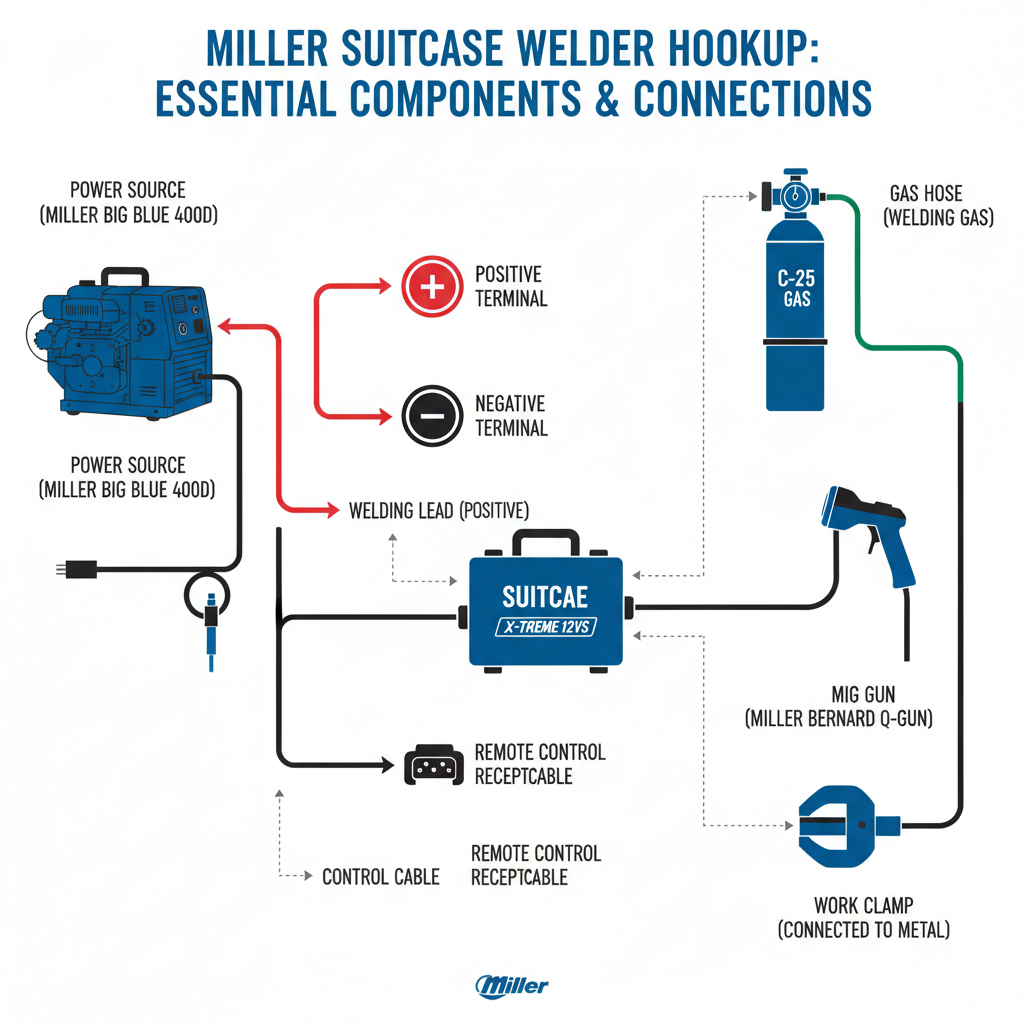
Miller suitcase welders consist of several key components that must be properly connected. The main unit houses the wire feeder mechanism and control panel. The welding gun connects via a multiconductor cable that carries welding current, wire feed, gas flow, and trigger signals.
The power source requires either 115V or 230V input depending on your model. Check the nameplate specifications before connecting to ensure proper voltage match. Using incorrect voltage can damage the welder or create safety hazards.
Work cables complete the welding circuit by connecting the workpiece to the welder’s negative terminal. This connection must be clean and tight to prevent voltage drops that affect weld quality.
Power Connection Procedures to Hook Up a Miller Suitcase Welder
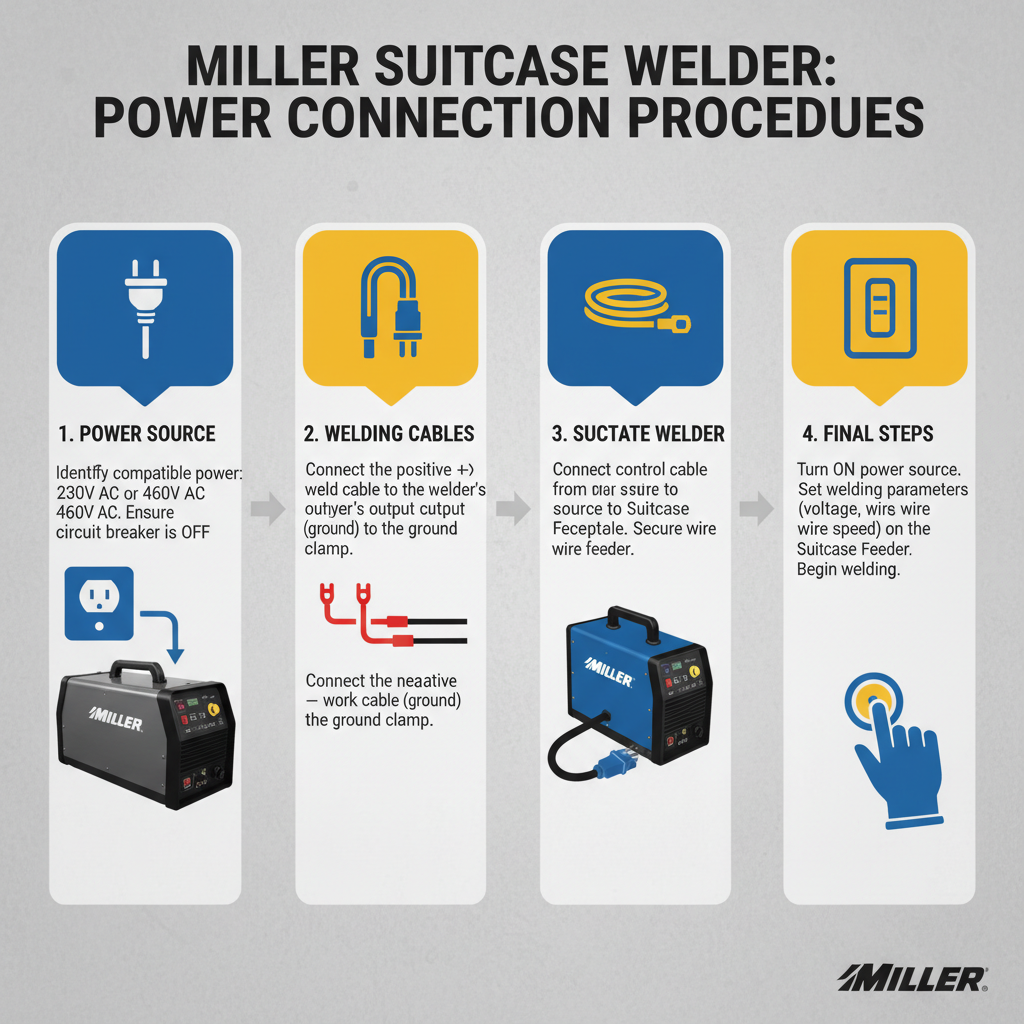
Begin by identifying your welder’s power requirements on the specification label. Most Miller suitcase welders operate on either 115V single-phase or 230V single-phase power. Some models offer dual voltage capability with a selector switch.
For 115V models, use a standard 20-amp household outlet with proper grounding. The power cord should plug directly into the outlet without extension cords when possible. If an extension cord is necessary, use 12-gauge wire for runs up to 50 feet.
230V models require appropriate outlets such as NEMA 6-50 or similar configurations. These connections typically involve dedicated circuits with proper amperage ratings. Consult an electrician if you’re unsure about electrical requirements or outlet compatibility.
Always ensure the power switch is in the OFF position before making electrical connections. This prevents accidental startup during setup procedures.
Wire Feed System Setup to Hook Up a Miller Suitcase Welder
The wire feed mechanism requires proper installation of welding wire and drive roll configuration. Open the wire feeder door to access the drive roll assembly. Select appropriate drive rolls for your wire diameter – typically 0.023″, 0.030″, 0.035″, or 0.045″ for steel wire.
Install the wire spool on the spindle with the wire feeding from the bottom of the spool. This orientation prevents tangling and ensures smooth wire feed. Thread the wire through the inlet guide and into the drive roll groove.
Adjust the drive roll pressure according to wire type and diameter. Steel wire requires firm pressure to prevent slippage, while aluminum wire needs lighter pressure to avoid deformation. The pressure adjustment knob typically has numbered settings corresponding to wire sizes.
Feed the wire through the gun cable liner by removing the contact tip and pushing wire through the entire length. This process may require patience, especially with longer cables or tight bends.
Gun Cable and Work Lead Connections
The gun cable connects to the feeder unit through a multi-pin connector. Align the connector properly and push firmly until it clicks into place. Some models use twist-lock connectors that require rotation after insertion.
The work lead attaches to the negative terminal on the welder case. Clean both the terminal and clamp connection points to ensure good electrical contact. Tighten the connection securely but avoid overtightening which can damage threads.
Position the work clamp as close to the welding area as possible. This minimizes resistance in the welding circuit and improves arc characteristics. Clean the clamp contact area on the workpiece to remove paint, rust, or other contaminants.
Check that all cable connections are secure and properly routed. Avoid placing cables where they might be damaged by sparks, sharp edges, or heavy equipment.
Gas System Configuration for MIG Welding
MIG welding requires shielding gas to protect the weld pool from atmospheric contamination. Connect the gas regulator to your gas cylinder, ensuring proper thread compatibility. Most welding gases use CGA-580 fittings for CO2 or 75/25 argon-CO2 mixtures.
The gas hose connects from the regulator to the gas inlet on the welder. Use proper welding gas hose rated for the pressures involved. Standard compressed air hose is not suitable for welding applications.
Set the gas flow rate according to welding conditions and wire diameter. Typical flow rates range from 15-25 cubic feet per hour (CFH). Higher flow rates don’t necessarily improve shielding and waste expensive gas.
Test the gas flow by pressing the gun trigger with the wire feed stopped. You should feel steady gas flow from the gun nozzle. Adjust the regulator if flow seems inadequate or excessive.
Parameter Settings and Controls
Miller suitcase welders feature various control settings that must be adjusted for proper welding performance. The voltage control affects arc length and penetration characteristics. Higher voltage settings create longer arcs with more penetration.
Õ controls the deposition rate and affects bead size. Faster wire speeds require higher voltage settings to maintain proper arc characteristics. Start with manufacturer recommendations for your wire diameter and material thickness.
Some models include inductance controls that affect arc characteristics. Lower inductance settings create stiffer arcs with deeper penetration, while higher settings produce softer arcs with less spatter.
Polarity must be set correctly for the welding process. MIG welding typically uses DC electrode positive (DCEP) polarity. Flux-cored welding may use either DCEP or DC electrode negative (DCEN) depending on wire specifications.
Testing and Verification Procedures
Before beginning actual welding, perform several test procedures to verify proper setup. Start by checking that all connections are secure and properly tightened. Loose connections can cause poor performance or safety hazards.
Power on the welder and verify that all indicator lights function properly. Most Miller suitcase welders have power indicators and fault lights that show system status.
Test the wire feed mechanism by pressing the gun trigger. Wire should feed smoothly without binding or erratic movement. If wire feed is inconsistent, check drive roll pressure and liner condition.
Perform a test weld on scrap material similar to your actual workpiece. This verifies that all systems work together properly and allows parameter adjustment before starting production welding.
Common Setup Problems and Solutions
Wire feed issues represent the most frequent problems with suitcase welder setup. Erratic wire feed often results from incorrect drive roll pressure, worn liners, or improper wire installation. Check these components systematically when troubleshooting feed problems.
Poor arc starting can indicate inadequate work lead connections or incorrect polarity settings. Verify that work clamp connections are clean and tight. Check polarity switch position against wire manufacturer recommendations.
Gas flow problems may stem from empty cylinders, faulty regulators, or damaged hoses. Test gas flow at the gun nozzle and verify regulator settings. Replace damaged components as needed.
Overheating during operation suggests inadequate cooling or excessive duty cycle. Allow proper cooling time between welding sessions and verify adequate ventilation around the welder.
Safety Considerations During Setup
Electrical safety requires proper grounding and circuit protection. Ensure the welder case is grounded through the power cord ground conductor. Never remove or bypass grounding connections.
Gas cylinder safety involves proper storage, handling, and connection procedures. Store cylinders upright and secured against falling. Check connections for leaks using soapy water solution rather than open flames.
Personal protective equipment should be available before beginning setup procedures. Safety glasses protect against sparks during testing, while welding helmets are essential for actual welding operations.
Work area preparation includes removing flammable materials and ensuring adequate ventilation. Welding produces fumes that require proper ventilation for health protection.
Frequently Asked Questions
Can I use an extension cord with my Miller suitcase welder?
Yes, but use appropriate gauge wire for the distance and amperage. For 115V welders, use 12-gauge wire for runs up to 50 feet. Longer runs may require heavier gauge wire to prevent voltage drop.
What gas should I use for MIG welding with my suitcase welder?
For steel, use 75% argon/25% CO2 mixture or pure CO2. Aluminum requires pure argon or argon-helium mixtures. Stainless steel works well with tri-mix gases containing argon, CO2, and helium.
How do I know if my drive rolls are the correct size?
Drive rolls should match your wire diameter exactly. Common sizes are 0.023″, 0.030″, 0.035″, and 0.045″. Using incorrect drive roll sizes causes feeding problems and wire damage.
Why does my wire keep jamming in the gun?
Wire jams typically result from worn cable liners, incorrect drive roll pressure, or kinked cables. Check liner condition and replace if worn. Adjust drive roll pressure according to wire type and diameter.
Can I weld aluminum with a Miller suitcase welder?
Many Miller suitcase welders can weld aluminum with proper setup. You’ll need aluminum wire, pure argon gas, and may need to change the drive rolls and liner for aluminum compatibility.
What’s the maximum thickness I can weld with a suitcase welder?
Maximum thickness depends on the specific model’s amperage output. Most suitcase welders handle material from thin sheet metal up to 1/4″ or 3/8″ thick in a single pass, with thicker materials possible using multiple passes.
How often should I replace the contact tip?
Replace contact tips when the hole becomes enlarged or worn. This typically occurs after several pounds of wire consumption, but varies with welding conditions and technique. Keep spare tips available for quick replacement.
Final Setup Verification
Proper Miller suitcase welder setup requires attention to electrical connections, wire feed system configuration, and gas delivery for MIG applications. Take time to verify each connection and test system operation before beginning production welding. Regular maintenance of connections and components ensures reliable performance and extends equipment life. Keep spare consumables like contact tips and drive rolls readily available to minimize downtime during welding projects.