
MIG welding is one of the most common welding processes used by hobbyists, tradespeople, and industrial workers alike. But the heat, sparks, and smoke it produces raise a legitimate question — what is all that exposure actually doing to your body?
Yes, MIG welding can be harmful to your health if proper precautions are not taken. The primary risks include inhaling metal fumes and shielding gas byproducts, UV radiation exposure to eyes and skin, burns, and long-term respiratory damage. However, with the right ventilation, PPE, and safe work habits, most risks can be managed effectively.
The Real Health Risks MIG Welding Creates
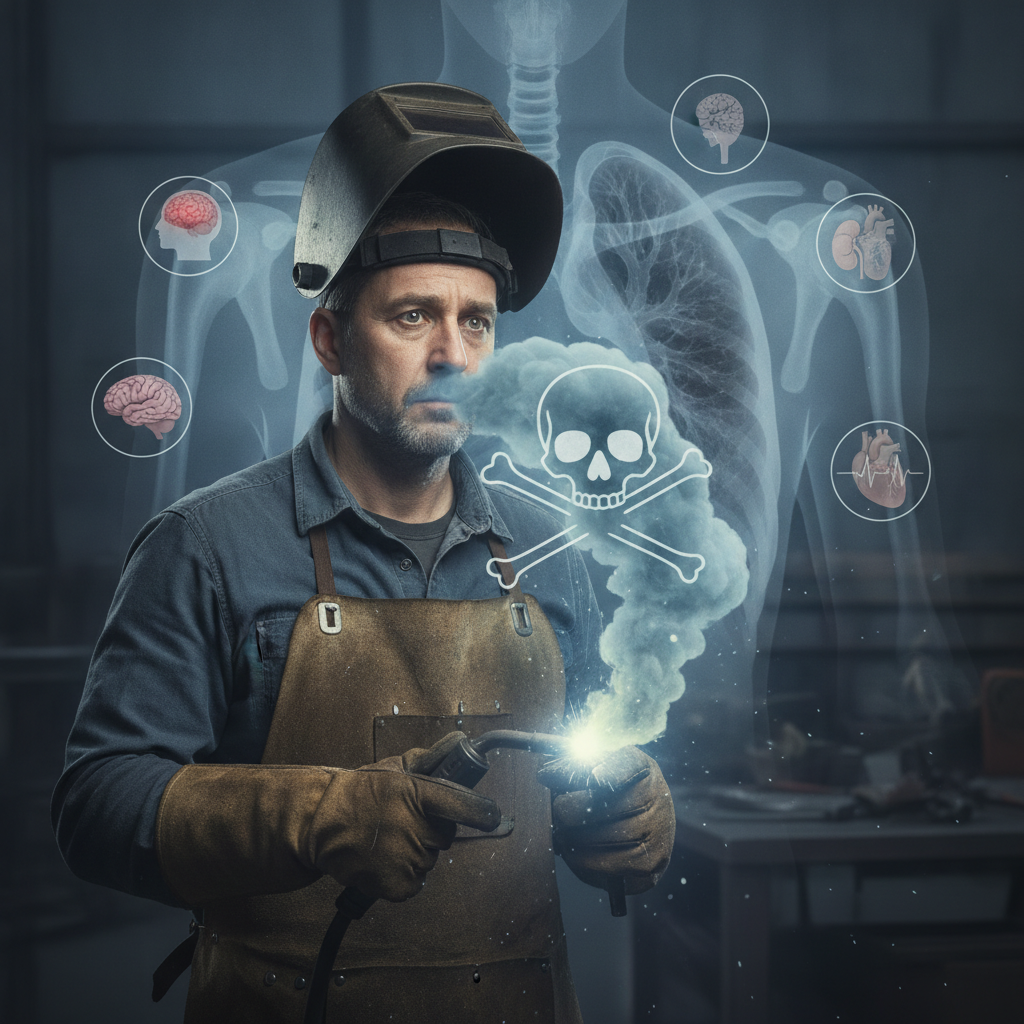
MIG welding generates several hazards simultaneously, which is why understanding each one matters.
Fume inhalation is the most serious concern. When the welding arc melts the wire electrode and base metal, it vaporizes particles of metal that quickly cool and form microscopic solid particles — welding fumes. These particles are small enough to penetrate deep into the lungs.
The composition of those fumes depends heavily on what you’re welding. Carbon steel fumes are concerning enough, but welding on galvanized steel, stainless steel, or coated metals introduces far more dangerous compounds.
UV and infrared radiation from the arc is intense enough to cause arc eye (photokeratitis) from even brief unprotected exposure. Skin exposed to the arc without a welding jacket can burn similarly to severe sunburn within minutes.
Burns from spatter are common, and repeated exposure to radiant heat causes its own cumulative skin stress over time.
What’s Actually in MIG Welding Fumes
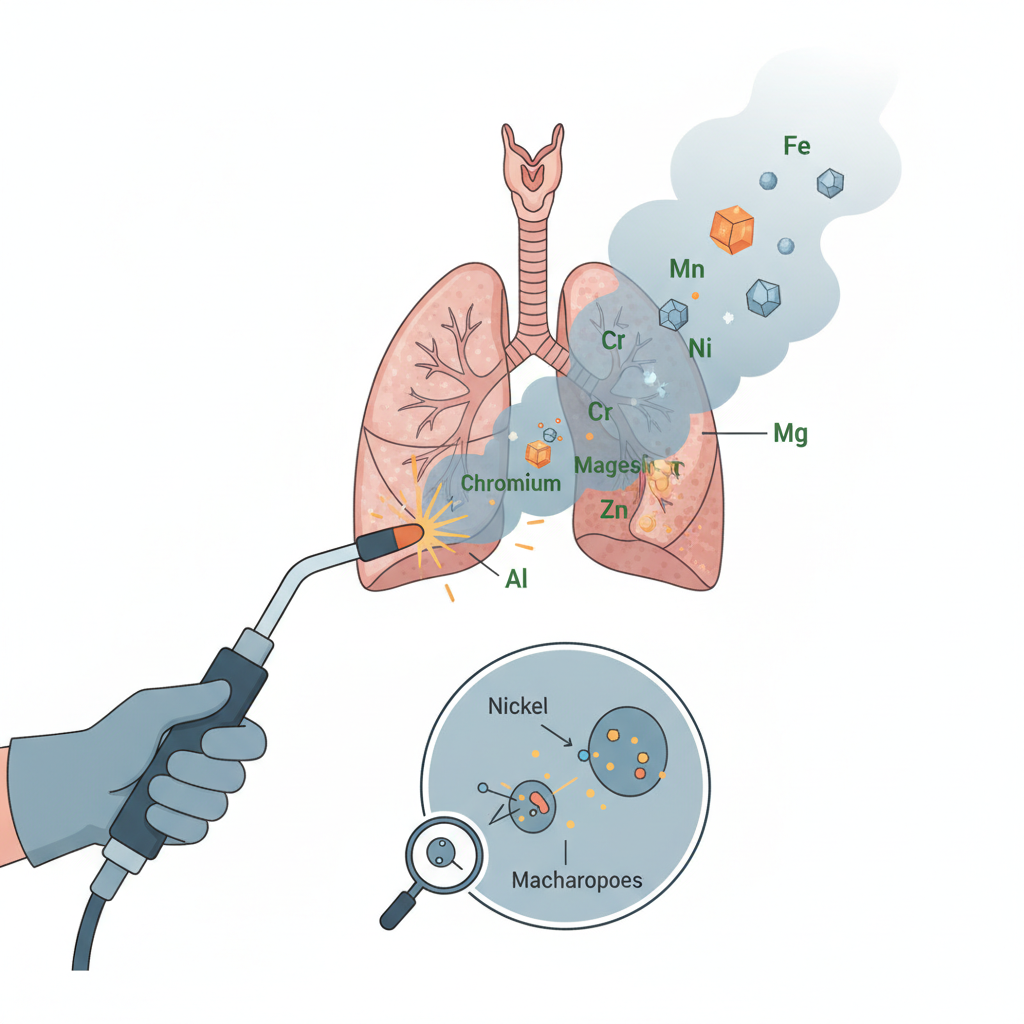
The specific health threat depends on the metals and coatings involved. Here’s what different welding situations typically produce:
| Material Being Welded | Key Fume Hazards |
|---|---|
| Mild / Carbon Steel | Iron oxide, manganese |
| Stainless Steel | Hexavalent chromium, nickel oxide |
| Galvanized Steel | Zinc oxide (causes Metal Fume Fever) |
| Aluminum | Aluminum oxide, ozone |
| Painted or Coated Metals | Lead, cadmium, or other toxic compounds |
Manganese is particularly relevant for MIG welders. Chronic exposure to manganese fumes has been linked to neurological damage resembling Parkinson’s disease — a condition sometimes called manganism. This isn’t a theoretical risk; it’s documented in welders with years of unprotected exposure.
Hexavalent chromium, released when welding stainless steel, is a confirmed human carcinogen. Even short-duration exposure at high concentrations is taken seriously by occupational health agencies.
Zinc oxide from galvanized steel causes Metal Fume Fever — a flu-like illness with chills, fever, and muscle aches that typically clears within 24–48 hours. It’s miserable but usually not permanently damaging. That said, repeated exposures over years raise concerns about chronic lung effects.
Shielding Gas and Ozone
MIG welding uses shielding gas — typically 75/25 argon/CO₂ or pure CO₂ — to protect the weld pool. These gases aren’t toxic in normal atmospheric concentrations, but in an enclosed space, they can displace oxygen and create an asphyxiation hazard.
The UV radiation from the arc also reacts with atmospheric oxygen to produce ozone, which is a lung irritant. Higher ozone levels are common when welding aluminum with argon-rich shielding gas. In poorly ventilated spaces, ozone buildup contributes to chest tightness and airway irritation even when fume exposure is otherwise controlled.
Long-Term Health Effects Documented in Welders
Occupational health research paints a consistent picture for welders who work without adequate protection over many years:
- Siderosis — accumulation of iron particles in lung tissue, visible on X-rays
- Chronic obstructive pulmonary disease (COPD) — accelerated decline in lung function
- Occupational asthma — particularly from chromium or nickel exposure
- Lung cancer risk — classified as a Group 1 carcinogen by IARC for welders, primarily linked to stainless steel and high-fume exposures
- Neurological effects — linked to chronic manganese exposure
- Skin cancer risk — increased for welders due to cumulative UV exposure over a career
These outcomes are associated with chronic, repeated exposure without controls — not occasional hobbyist welding in a garage with the door open. Context matters significantly.
How to Protect Yourself While MIG Welding
Controlling health risks from MIG welding comes down to four practical areas:
1. Ventilation
This is the single most effective control. Local exhaust ventilation (LEV) — a fume extraction system positioned close to the arc — removes fumes before they reach your breathing zone. General ventilation (opening doors and windows) helps but is rarely sufficient alone for regular welding.
Fume extraction welding guns, such as those compatible with the Lincoln Electric Magnum PRO Curve 300, pull fumes directly from the source and make a meaningful difference in enclosed workspaces.
2. Respiratory Protection
When ventilation alone isn’t enough, a respirator fills the gap. A P100 particulate respirator handles metal fume particles. If welding stainless or galvanized steel, an OV/P100 combination cartridge respirator also addresses gases and vapors.
Dust masks and basic surgical masks offer essentially no protection against welding fumes — the particles are far too small.
3. Eye and Skin Protection
A proper auto-darkening welding helmet with a shade level appropriate for MIG welding (typically shade 10–13 depending on amperage) protects eyes and face. The 3M Speedglas 9100 series is widely used in professional settings for its reliable auto-darkening response and UV/IR filter performance.
Full welding gloves, a leather welding jacket or at minimum a flame-resistant cotton shirt, and appropriate footwear protect skin from spatter and arc radiation.
4. Material Awareness
Before welding, identify what the base metal is and whether it has any coatings, plating, paint, or galvanizing. Remove coatings where practical. If you’re welding stainless steel regularly, treat hexavalent chromium exposure as a priority concern — not an afterthought.
Hobbyist vs. Professional Exposure: Does Frequency Matter?
Welding for a few hours on weekends in a reasonably ventilated garage is a very different exposure scenario than welding 8 hours a day, 5 days a week in an industrial setting.
Occasional hobbyist welding on clean mild steel, with a fan moving air and basic PPE, carries relatively low cumulative risk. The documented long-term health effects are primarily associated with sustained, high-frequency exposure without controls.
That said, even occasional welders should take ventilation and eye protection seriously — a single arc flash to unprotected eyes is acutely painful and damaging, and welding galvanized steel without precautions can cause Metal Fume Fever from a single session.
The risk scales with frequency, duration, materials, and protection level.
FAQ
Is MIG welding fume more dangerous than stick or TIG welding fume?
MIG welding typically generates higher fume volumes than TIG welding due to the continuous wire feed and higher deposition rates. Stick welding (SMAW) often produces more fume by volume than MIG, but fume toxicity depends more on the materials involved than the process itself. Stainless TIG welding can still produce hazardous chromium fumes despite lower overall volume.
Can you get lung damage from occasional MIG welding?
Permanent lung damage from occasional welding is unlikely if you’re working with mild steel in reasonably ventilated conditions. However, acute irritation — coughing, chest tightness, shortness of breath — can occur after a single session in a poorly ventilated space. Repeated exposure without controls does accumulate risk over time, even for hobbyists.
What does welding fume fever feel like, and how long does it last?
Metal Fume Fever feels like a flu — chills, sweating, fever, headache, muscle aches, and fatigue. Symptoms typically appear 4–10 hours after exposure to zinc oxide fumes (from galvanized steel) and usually resolve within 24–48 hours. It’s often called the “zinc shakes.” Recurring episodes are not harmless and warrant better controls.
Is welding stainless steel particularly dangerous for MIG welders?
Yes. Welding stainless steel produces hexavalent chromium (Cr(VI)) and nickel compounds, both classified as human carcinogens. Even brief unprotected exposure is taken seriously by OSHA, which has strict permissible exposure limits for Cr(VI). Anyone regularly MIG welding stainless steel should treat respiratory protection as non-negotiable, not optional.
Does welding outdoors eliminate the health risks?
Outdoor welding significantly reduces fume buildup compared to enclosed spaces, which is a real advantage. However, it doesn’t eliminate risk — the arc still produces UV radiation, and fumes still pass through your breathing zone before dispersing. Wind direction matters; positioning yourself upwind of the fume plume is a practical outdoor habit worth developing.
Can welding fumes cause cancer?
The International Agency for Research on Cancer (IARC) classifies welding fumes as a Group 1 carcinogen, meaning there is sufficient evidence of carcinogenicity in humans. The risk is most clearly associated with lung cancer and is elevated for welders with long-term, high-exposure careers — particularly those welding stainless steel or working in confined spaces without controls.
What’s the fastest way to reduce fume exposure for a home welder?
The fastest practical improvement is positioning a strong fan to blow fumes away from your face and out of the workspace — not just circulating air around you. Pairing that with a P100 half-face respirator covers the two biggest exposure pathways. It costs little and makes an immediate difference for anyone welding regularly in a garage or basement.
The Practical Takeaway
MIG welding isn’t something to fear, but it’s also not something to approach carelessly. The hazards are real, well-documented, and manageable. Good ventilation handles most of the risk. Proper PPE covers what ventilation misses. Knowing your materials — especially before welding anything galvanized, coated, or stainless — keeps you from encountering the most acute dangers unexpectedly. Welders who’ve done this work for decades without serious health consequences typically share one thing in common: they took protection seriously from the start.