
Understanding burn charts is essential for achieving consistent, high-quality welds across different materials and thicknesses. These reference guides help welders select the correct amperage, voltage, and wire feed speed settings for their specific projects. Whether you’re working with mild steel, stainless steel, or aluminum, a burn chart eliminates guesswork and reduces material waste while improving weld penetration and appearance.
Quick Answer
A burn chart for welding is a reference table that shows recommended welding parameters (amperage, voltage, wire feed speed) based on material type, thickness, and welding process. These charts help welders achieve optimal penetration and bead appearance by providing proven settings for different combinations of base metals and filler materials.
What Is a Welding Burn Chart
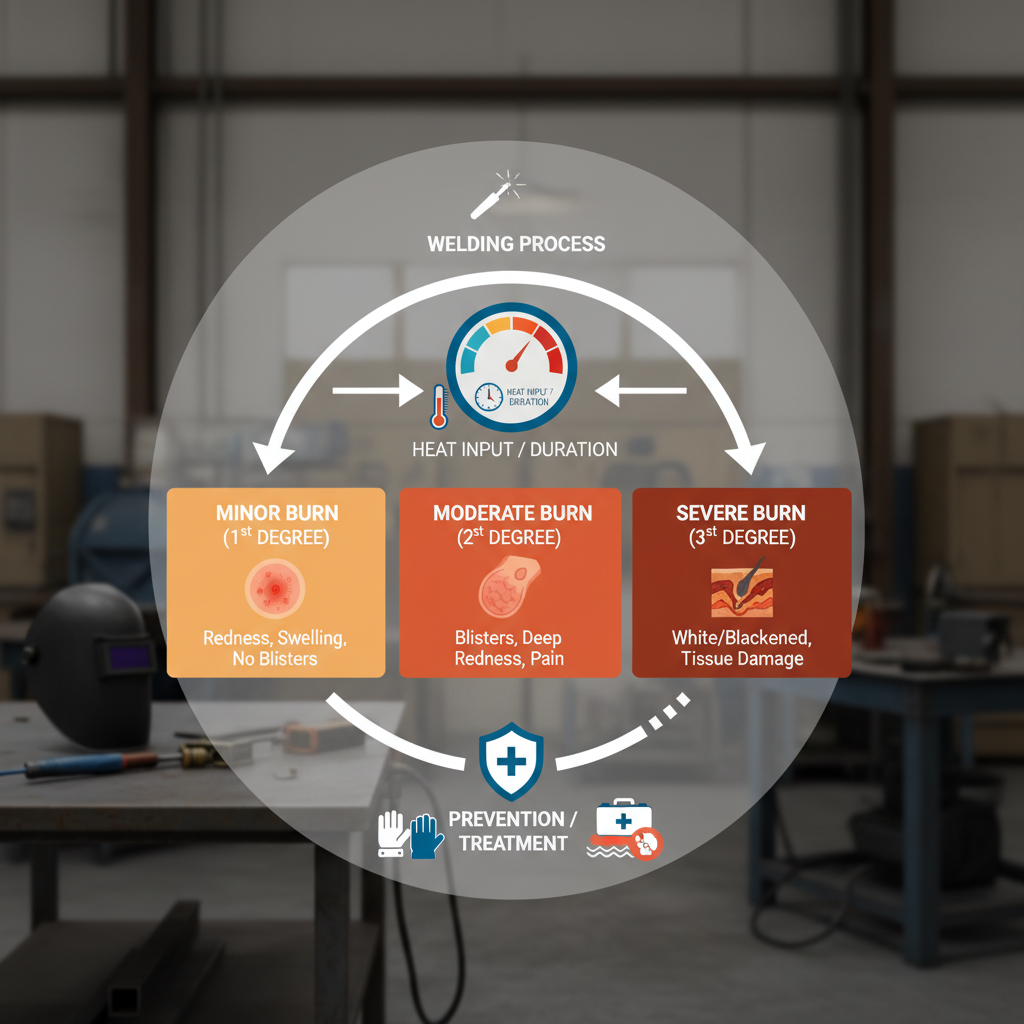
A welding burn chart serves as a technical reference that correlates material specifications with optimal welding parameters. These charts display the relationship between metal thickness, welding current, arc voltage, and travel speed for specific welding processes.
Professional welders rely on burn charts to establish baseline settings before making fine adjustments. The charts account for variables like joint design, welding position, and shielding gas composition. Most equipment manufacturers provide burn charts specific to their machines and recommended consumables.
Burn charts typically organize information in a grid format. Material thickness appears along one axis while welding parameters occupy columns or rows. This layout allows quick reference during setup and reduces the time spent on test welds.
Essential Parameters Found in Burn Charts
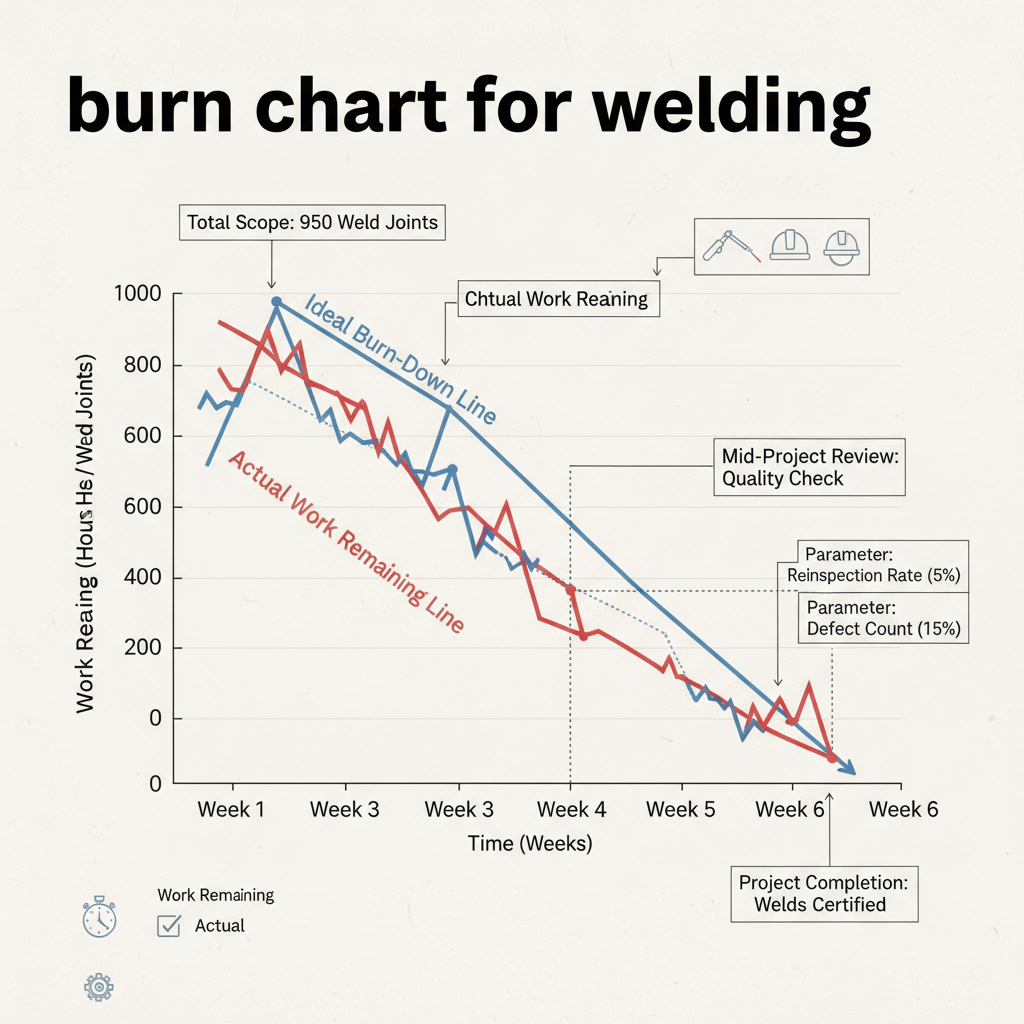
Current and Voltage Settings
Amperage controls penetration depth and heat input into the base material. Higher amperage increases penetration but can cause burn-through on thin materials. Voltage affects arc length and bead width, with higher voltage creating wider, flatter beads.
The relationship between current and voltage determines arc stability. Too low voltage with high amperage creates a harsh, unstable arc. Excessive voltage with insufficient current produces a weak arc that may cause porosity or incomplete fusion.
Wire Feed Speed and Travel Speed
Wire feed speed must match the welding current to maintain proper arc length. Too fast wire feed causes the electrode to stub into the work piece. Insufficient wire feed creates an excessively long arc that reduces penetration.
Travel speed affects heat input per unit length of weld. Slower travel speeds increase penetration but may cause excessive buildup or burn-through. Faster speeds reduce heat input but can result in incomplete penetration or poor fusion.
Shielding Gas Considerations
Different gas mixtures require parameter adjustments even when welding the same material thickness. Pure argon provides deep, narrow penetration suitable for aluminum. Carbon dioxide creates broader penetration patterns ideal for thick steel sections.
Mixed gases like 75% argon and 25% CO2 offer balanced penetration and arc characteristics. The burn chart should specify which shielding gas the parameters were developed for, as switching gases often requires current and voltage adjustments.
Reading and Interpreting Burn Chart Data
Material Thickness Ranges
Burn charts typically group material thicknesses into ranges rather than exact measurements. A chart might show settings for 1/8-inch to 3/16-inch material rather than separate entries for each thickness. This approach accounts for normal material thickness variations and welding technique differences.
When your material thickness falls between chart ranges, start with settings for the thinner material. This conservative approach prevents burn-through while allowing upward adjustment if penetration appears insufficient.
Joint Configuration Impact
The same material thickness requires different parameters depending on joint design. Butt joints need full penetration settings while fillet welds may use reduced parameters. T-joints often require higher heat input than lap joints due to heat sink effects.
Some advanced burn charts include separate columns for different joint types. When this information isn’t available, consider the joint’s heat dissipation characteristics when selecting parameters.
Common Welding Processes and Their Burn Charts
MIG/GMAW Burn Charts
MIG welding burn charts focus on the relationship between wire feed speed and voltage for different material thicknesses. These charts assume specific wire diameters and shielding gas mixtures. Changing either variable requires parameter adjustment.
Short circuit transfer mode charts show lower voltage ranges suitable for thin materials. Spray transfer charts display higher voltage and current combinations for thicker sections. Pulse welding charts include additional parameters like peak current and background current settings.
TIG/GTAW Parameter Charts
TIG burn charts emphasize amperage settings since this process offers direct current control. The charts correlate tungsten electrode diameter with maximum recommended amperage to prevent electrode overheating.
AC TIG charts for aluminum include balance control settings that affect cleaning action and penetration characteristics. DC TIG charts for steel focus on amperage ranges for different material thicknesses and joint configurations.
Stick/SMAW Electrode Charts
Stick welding charts organize information by electrode type and diameter. Each electrode classification has specific current ranges that produce optimal results. E6010 electrodes require different parameters than E7018 electrodes even when welding the same material thickness.
The charts also indicate suitable welding positions for each electrode type. Some electrodes work well in all positions while others are limited to flat and horizontal applications.
Material-Specific Burn Chart Applications
Carbon Steel Welding Parameters
Carbon steel burn charts represent the most common welding application. These charts account for carbon content variations that affect weldability. Low carbon steels typically require lower heat input than medium carbon grades.
The charts distinguish between structural steel grades like A36 and higher strength materials like A572. Higher strength steels often need preheat and controlled cooling to prevent cracking.
Stainless Steel Considerations
Stainless steel burn charts emphasize lower heat input to prevent carbide precipitation and maintain corrosion resistance. The charts specify different parameters for austenitic, ferritic, and martensitic stainless steel grades.
Duplex stainless steels require special attention to heat input and interpass temperature control. The burn charts for these materials include maximum heat input limits to preserve the dual-phase microstructure.
Aluminum Welding Specifications
Aluminum burn charts account for the material’s high thermal conductivity and oxide formation tendencies. Higher heat input is often required compared to steel of similar thickness. The charts specify AC current for most applications with appropriate cleaning action settings.
Different aluminum alloys require parameter modifications. Heat-treatable alloys like 6061 need careful heat control to prevent strength loss in the heat-affected zone.
Adjusting Parameters Based on Welding Position
Flat Position Modifications
Flat position welding allows maximum heat input and travel speeds shown in burn charts. Gravity assists with molten metal control, enabling higher current settings and faster wire feed speeds.
The flat position provides optimal access for consistent torch angle and travel speed. This position typically produces the highest quality welds when following burn chart recommendations.
Vertical and Overhead Adjustments
Vertical and overhead positions require reduced parameters to control molten metal flow. Current reductions of 10-15% from flat position settings help prevent excessive buildup and improve bead appearance.
Shorter arc lengths become critical in out-of-position welding. Voltage settings may need reduction to maintain proper arc characteristics while preventing dripping or sagging.
Troubleshooting Using Burn Chart Information
Penetration Problems
Insufficient penetration often indicates current settings below burn chart recommendations. Increasing amperage while maintaining proper voltage ratios typically resolves shallow penetration issues.
Excessive penetration or burn-through suggests current settings above optimal ranges. Reducing amperage and possibly increasing travel speed helps control heat input.
Bead Appearance Issues
Wide, flat beads may indicate excessive voltage for the given current setting. Narrow, high beads often result from insufficient voltage or excessive travel speed.
Irregular bead appearance can stem from inconsistent parameters or technique. Returning to burn chart baseline settings and focusing on consistent manipulation often resolves these issues.
Frequently Asked Questions
Can I use burn charts from different welding machine manufacturers?
Burn charts are generally transferable between machines of similar design, but minor adjustments may be needed. Different manufacturers may calibrate their controls differently, requiring fine-tuning based on actual weld results.
How do I adjust burn chart settings for thicker materials than shown?
For materials thicker than chart maximums, increase current proportionally while maintaining voltage ratios. Consider multiple pass techniques rather than single-pass welds to control heat input and distortion.
Do burn charts work for all joint preparations?
Burn charts provide baseline settings that may require adjustment for specific joint preparations. Beveled joints often need higher heat input than square butt joints, while fillet welds may use reduced parameters.
Should I follow burn charts exactly or make adjustments?
Use burn charts as starting points, then make small adjustments based on actual welding conditions. Factors like ambient temperature, material cleanliness, and joint fit-up may require parameter modifications.
How often should burn chart settings be verified?
Verify settings when changing materials, consumables, or welding positions. Regular verification ensures consistent quality and helps identify when equipment calibration may be needed.
Can environmental conditions affect burn chart accuracy?
Yes, temperature, humidity, and air movement can influence optimal settings. Cold materials may require slightly higher heat input, while windy conditions might need increased shielding gas flow rates.
What’s the difference between manufacturer and generic burn charts?
Manufacturer-specific charts are optimized for their equipment and recommended consumables. Generic charts provide general guidance but may require more adjustment to achieve optimal results with your specific setup.
Key Takeaways for Successful Welding
Burn charts provide essential baseline parameters that eliminate guesswork and improve welding consistency. These reference tools help establish proper current, voltage, and wire feed speed relationships for different materials and thicknesses. Understanding how to read and apply burn chart information reduces material waste and improves weld quality.
Remember that burn charts serve as starting points rather than absolute requirements. Environmental conditions, joint preparation, and welding position may require parameter adjustments from chart recommendations. Regular practice with burn chart guidance develops the experience needed to make appropriate modifications for specific welding situations.
The most effective approach combines burn chart knowledge with hands-on experience and continuous observation of weld results. This combination ensures consistent, high-quality welds across various applications and materials.